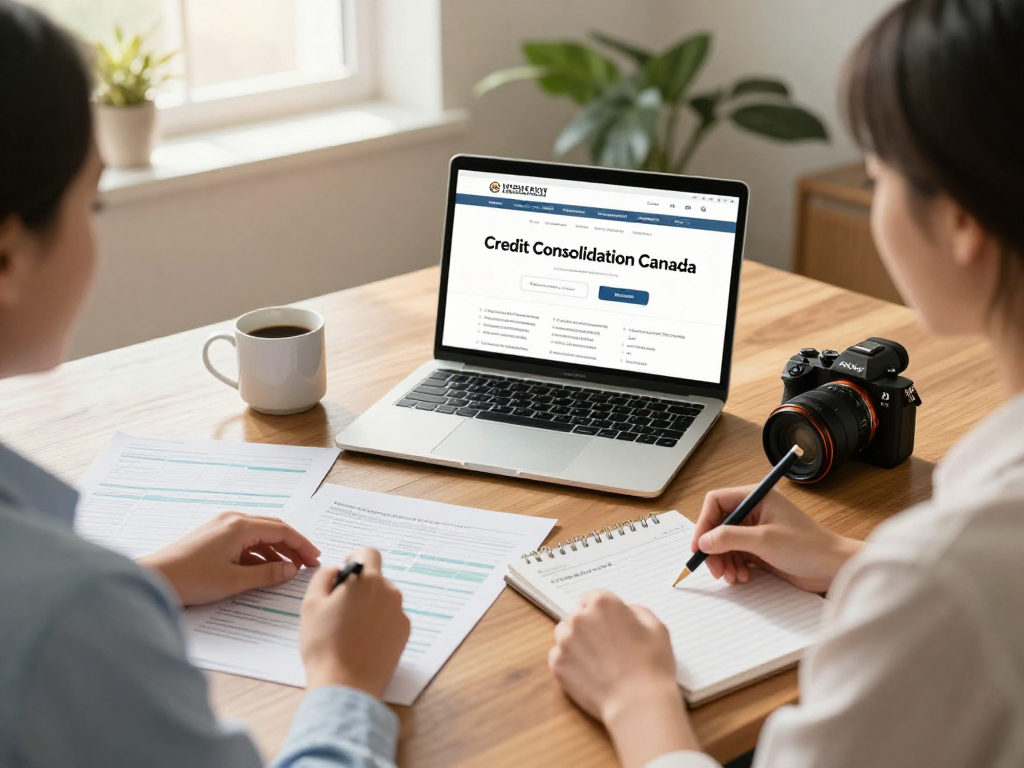
Understanding Credit Consolidation in Canada
In today's financial landscape, managing debt can be a daunting challenge for many Canadians. With rising living costs and stagnant wages, individuals often find themselves grappling with credit card bills, personal loans, and other financial obligations. Amidst this turmoil, credit consolidation has emerged as a viable solution for those seeking relief. https://credit-consolidation.ca/ offers resources and support to help Canadians navigate their debt issues effectively.
What is Credit Consolidation?
Credit consolidation is the process of combining multiple debts into a single, manageable payment. This may involve merging credit card balances, loans, and other financial obligations to simplify repayment. The primary goal is to reduce the overall interest rates and monthly payments, making it easier for individuals to manage their finances.
Benefits of Consolidating Your Debts
Consolidating your debts can provide several benefits, including:
- Lower Monthly Payments: By combining your debts, you may be able to secure a lower monthly payment that is more manageable within your budget.
- Reduced Interest Rates: Consolidation can help you obtain a lower interest rate, which can save you money over time.
- Simplified Payments: Instead of juggling multiple creditors and payment dates, you’ll only need to focus on one monthly payment.
- Improved Credit Score: Successfully managing a consolidation plan can lead to improvements in your credit score over time.
Common Misconceptions About Credit Consolidation
Despite the benefits, there are several misconceptions about credit consolidation that can deter individuals from pursuing it:
- It’s Only for People with Bad Credit: While consolidation can help those with poor credit, it's also beneficial for individuals looking to improve their financial management.
- It’s a Quick Fix: Credit consolidation is not a magical solution to debt problems; it requires careful planning and commitment.
- It Will Ruin My Credit Score: When managed correctly, consolidation can actually help rebuild your credit score over time.
Identifying Your Debt Situation
Before deciding on a consolidation strategy, it's essential to assess your current financial health. This includes understanding the nature and amount of your debts.
Assessing Your Current Financial Health
Start by listing all your debts, including the total amount owed and interest rates for each. This comprehensive view will help you determine the best path forward.
Recognizing Unsecured vs. Secured Debts
Understanding the difference between unsecured and secured debts is crucial. Unsecured debts, like credit cards, do not have collateral backing them, while secured debts, such as mortgages, do. This distinction will influence your options for consolidation and repayment.
How Much Debt is Too Much?
There is no one-size-fits-all answer to how much debt is too much, but a good rule of thumb is if you’re struggling to make minimum payments or living paycheck to paycheck, it may be time to seek help.
Choosing the Right Consolidation Strategy
Once you've assessed your situation, it’s time to explore the available consolidation options.
Types of Credit Consolidation Options Available
There are several methods to consolidate debt, including:
- Debt Management Plans: These are usually facilitated by non-profit credit counseling agencies that negotiate with creditors on your behalf.
- Debt Consolidation Loans: These involve taking out a new loan to pay off existing debts, ideally at a lower interest rate.
- Balance Transfer Credit Cards: These cards offer promotional rates for transferring existing card balances, allowing you to pay down debt with less interest.
Evaluating Debt Management Plans
Debt management plans (DMPs) can be a good option for those struggling with multiple creditors. These plans often provide lower interest rates and can help eliminate debts over time.
Understanding Debt Consolidation Loans
A debt consolidation loan involves taking out a new loan to pay off your existing debts. While this can help simplify payments, it’s crucial to ensure that the new loan has a lower interest rate than your current debts to truly benefit from the consolidation.
The Process of Credit Consolidation
After identifying the right consolidation strategy, here are the steps to get started.
Steps to Get Started with Credit Consolidation Canada
- Consult a Financial Counselor: Schedule a free consultation to discuss your financial situation and explore consolidation options.
- Review and Sign an Agreement: If you choose a debt management plan or consolidation loan, ensure you thoroughly review the terms before signing.
- Make Payments: Begin making your agreed-upon monthly payments and stay consistent to avoid further debt accumulation.
Working with Financial Counselors
Financial counselors can be invaluable in the consolidation process. They can provide expert guidance, negotiate with creditors, and help you create a sustainable financial plan.
Negotiating with Creditors Effectively
Successful negotiation with creditors can lead to lower interest rates and the elimination of late fees. Having a professional credit counselor can enhance your negotiation power significantly.
Success Stories and Future Trends
Many Canadians have successfully utilized credit consolidation to regain control over their finances. Understanding these success stories can provide hope and motivation.
Real-life Case Studies of Successful Consolidation
Individuals who have used consolidation have reported improved financial management and reduced stress. For instance, one family successfully lowered their monthly payments by 40% through a debt management plan, allowing them to save for emergencies and invest in education.
Emerging Trends in Debt Relief for 2026
As technology evolves, more Canadians are turning to online platforms for debt management solutions. Increased access to financial literacy resources is helping individuals make informed decisions about debt consolidation.
Planning for Long-term Financial Stability
To ensure long-term success, it’s essential to develop a budget and stick to it post-consolidation. This will help prevent falling back into debt and promote financial stability.
What is credit consolidation?
Credit consolidation is a financial strategy that involves merging multiple debts into one, simplifying repayment and often reducing interest rates.
How can I benefit from consolidation services?
By using consolidation services, you may lower your monthly payments, reduce your total debt amounts, and improve your overall financial health.
Is credit consolidation a good option for me?
If you find yourself overwhelmed by debt and struggling to make payments, consolidation might be a suitable option. A consultation with a financial counselor can help determine if it’s right for you.
What are the risks of credit consolidation?
While credit consolidation can provide relief, it’s important to recognize the risks, including the possibility of accumulating more debt if spending habits don’t change.
How long does the consolidation process take?
The consolidation process can vary in length depending on the method chosen. A debt management plan typically takes 3-5 years, while a consolidation loan might be quicker, depending on the terms.